Seven Ways the Role of Technical Program Managers is Evolving in
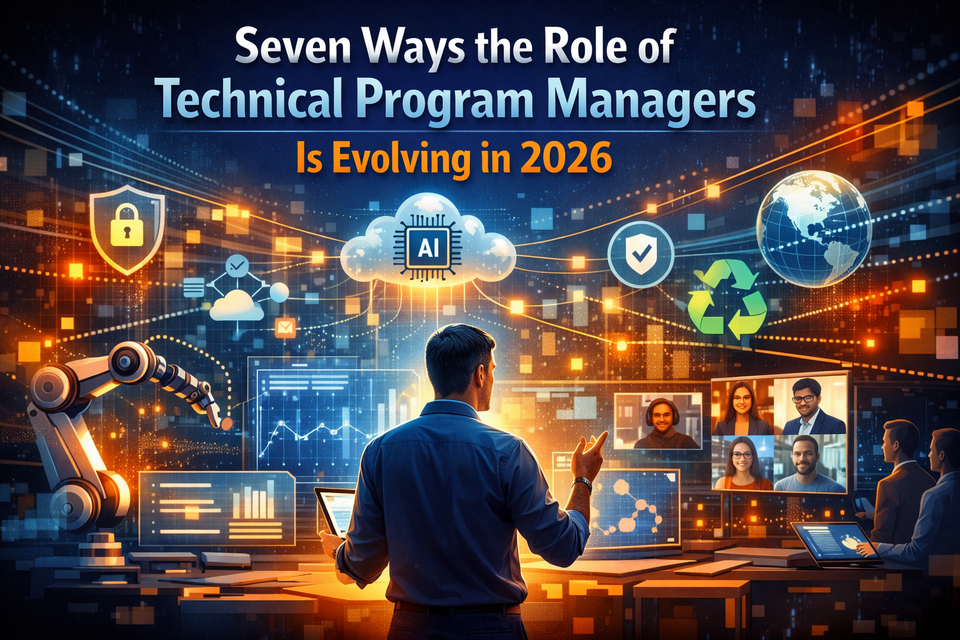
In 2026, the role of the Technical Program Manager is no longer quietly evolving in the background. It has stepped into clearer focus. As technology stacks grow more complex and organizations move faster with fewer margins for error, TPMs are being asked to do far more than coordinate delivery. They are becoming strategic operators who sit at the intersection of systems, people, and outcomes.
This shift reflects both necessity and trust. Engineering teams rely on TPMs to understand the technical terrain well enough to spot risk before it becomes visible. Leadership relies on them to translate execution into business impact. At the same time, advances in artificial intelligence and automation are reshaping how programs are planned, tracked, and steered. The result is a role that is broader, deeper, and more influential than it was even a few years ago.
Below are seven key ways the TPM role is changing in 2026.
1. Deep Technical Fluency Is Now Table Stakes
Technical fluency is no longer a differentiator. It is the baseline. While most TPMs are not expected to write production code, they are expected to understand system architecture, cloud infrastructure, data flows, AI pipelines, and modern DevOps practices well enough to engage as credible partners.
This level of understanding changes the nature of conversations. TPMs can challenge assumptions, surface hidden dependencies, and recognize architectural risk early, often before it appears on a project plan. As systems become more interconnected, this fluency is what allows TPMs to keep complexity from turning into chaos.
2. Success Is Measured by Outcomes, Not Checklists
In the past, strong process execution was often enough to define success. Programs shipped on time, milestones were met, and roadmaps were followed. In 2026, that definition feels incomplete. Organizations are increasingly asking a harder question: what changed because this program existed?
TPMs are now expected to tie their work directly to business outcomes such as reliability improvements, cost reduction, customer experience, or revenue enablement. This requires a shift in mindset. Programs are framed around impact, not activity, and success is measured using clear metrics rather than task completion alone.
3. AI Has Become a Core Part of the TPM Toolkit
Artificial intelligence is no longer experimental in program management. It is embedded. AI-driven tools are being used to map dependencies, identify risk patterns, forecast delivery timelines, and surface insights that would be difficult to detect manually.
For TPMs, the value of these tools is not automation for its own sake. It is leverage. By offloading repetitive analysis and reporting, TPMs gain time and attention to focus on judgment, tradeoffs, and leadership. The most effective TPMs understand both the capabilities and limitations of these systems and use them to inform decisions rather than replace them.
4. Influence Extends Well Beyond Engineering
The scope of TPM influence has expanded significantly. In 2026, TPMs regularly operate across product, design, marketing, legal, security, and compliance teams. Many of the hardest problems they face are not technical but organizational.
Influence without authority has become a defining skill. TPMs must align stakeholders with different incentives, timelines, and risk tolerances. Clear communication, strong narrative framing, and the ability to build trust across disciplines are now just as important as managing schedules or dependencies.
5. Security and Compliance Are Built In, Not Bolted On
Security and compliance considerations are no longer something to address late in the delivery cycle. With increasing regulatory pressure and growing awareness of data privacy and AI ethics, TPMs are expected to incorporate these concerns from the start.
Familiarity with frameworks and regulations such as SOC 2, GDPR, and HIPAA has become part of the job. TPMs who understand how these requirements affect design and delivery can prevent costly rework and late-stage surprises. In many organizations, they serve as the connective tissue between technical teams and governance functions.
6. Remote-First Leadership Is a Core Competency
Distributed work is no longer an exception. For many TPMs, it is the default. Leading programs across time zones requires more than good intentions. It demands disciplined communication, clarity of ownership, and intentional relationship-building.
Strong remote TPMs know how to create momentum without constant meetings. They document decisions, make priorities explicit, and design execution models that work even when teams rarely overlap in real time. These skills have become essential for global organizations.
7. Responsibility Extends to Ethical and Sustainable Delivery
Organizations are paying closer attention to how technology is built, not just what it delivers. TPMs are increasingly expected to consider sustainability, accessibility, and ethical implications as part of program planning.
This can mean choosing more energy-efficient infrastructure, ensuring AI systems are explainable and fair, or evaluating the broader impact of technical decisions on users and communities. Responsible delivery is becoming part of the TPM mandate rather than a separate initiative.
Conclusion
The Technical Program Manager of 2026 is a strategic leader, a technical partner, and an organizational connector. Execution excellence still matters, but it is no longer enough on its own. The role now requires deeper technical understanding, sharper business alignment, and greater influence across the organization.
For TPMs, this evolution brings both pressure and opportunity. Those who invest in continuous learning, embrace ambiguity, and lean into their expanding scope will find themselves at the center of how modern organizations turn complex ideas into real-world impact.


Member discussion